
Basic tactical thinking for kids—when to attack, when to defend, and how to react.
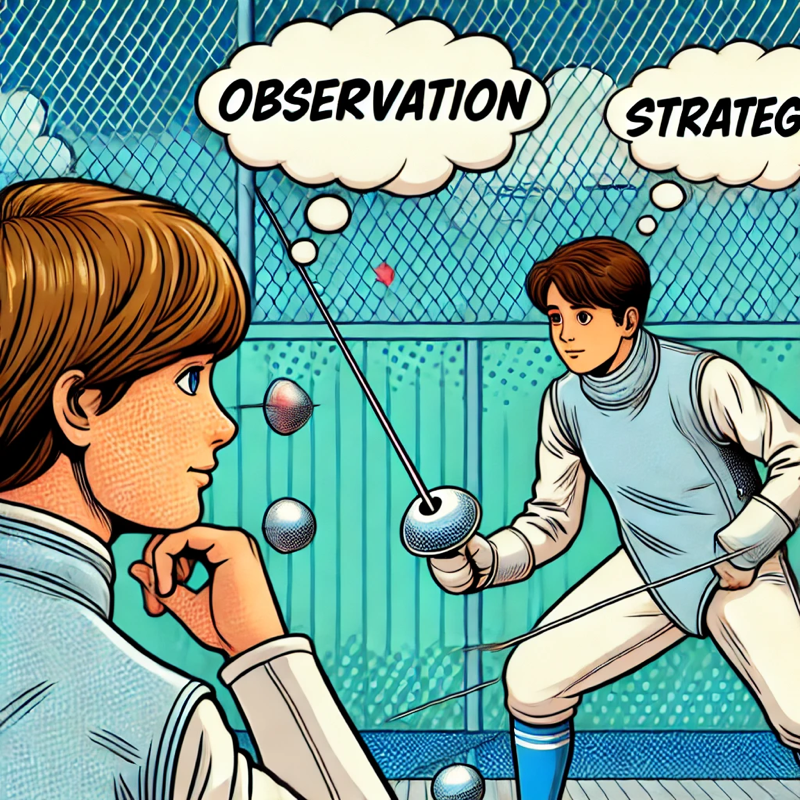
One of the best parts of fencing is that it’s not just about who can move the fastest—it’s also about outsmarting your opponent. Sometimes, the cleverest fencer wins the match by knowing exactly when to attack, when to defend, and how to read the other person’s moves. Let’s dig into the basics of fencing strategy in a fun, kid-friendly way!
A Quick Story: Evie’s Sneaky Plan
Evie was nervous before every match. She practiced her footwork, lunges, and parries, but she always felt one step behind her opponents. Then her coach said, “Evie, fencing isn’t just about reacting. It’s also about predicting.”
In her next practice bout, Evie tried something different. Instead of immediately attacking, she watched her partner’s habits. Did they like to attack straight away? Were they always protecting one side more than the other? When the partner finally lunged, Evie was ready—she parried, and instantly riposted. Point for Evie!
After that, Evie realized strategy is like solving a puzzle on the strip. Once you notice your opponent’s patterns, you can plan how to respond.
Basic Tactical Thinking
1. Watch for Patterns
• Does your opponent always attack after you step forward?
• Do they leave a particular side open when defending?
2. Decide Your Action
• Attack First: If you spot an opening, go for a quick lunge or a feint (a fake attack to draw their defense) before they can react.
• Wait and Defend: If you see your opponent charging in recklessly, parry and counterattack.
3. Mix Things Up
• If you always attack the same way, your opponent will catch on. Surprise them with different tactics.
• Vary your timing—sometimes attack fast, sometimes wait a moment.
4. Adapt on the Fly
• If something isn’t working, change it! Don’t keep repeating the same move that isn’t scoring.
• A great fencer is flexible and ready to switch tactics mid-bout.
Kid-Friendly Strategy Tips
• Practice Feints: Pretend to attack one part of your opponent, then quickly change direction.
• Count Their Attacks: Notice if your opponent lunges two or three times in a row. It might predict their next move.
• Stay Calm: Sometimes just being patient and letting your opponent tire themselves out is the best strategy.
The Secret: Confidence + Observation
It can feel scary waiting for your opponent’s move instead of jumping right in. But trust your instincts and stay aware of what’s happening on the strip. The more you practice observing your opponent, the more confident you’ll be in choosing the right action—at the right time.
Coming Up Next: Want some fun drills to practice these tactics with friends and family? Stay tuned for our next post, where we share interactive activities that make fencing practice feel like a game!